Thursday, May 17, 2018

Garden notes/ Upcoming dates/ Heirlooms with Emily

Hi all,

Garden notes:
I hope your gardens are growing well! Many of our crops are flourishing, but there are always plants here and there that just don't make it. There is so much to learn, and much that happens underground where it's harder to see the problem. Suddenly your broccoli is stunted and flops over. Root maggots? Cutworms? Some kind of root rot? Oftentimes we just don't know, and hope for the best from the next crop we rotate in.
the lettuce is doing exceptionally well this spring

volunteer Laura taking a much deserved break


I'm about to head to Portugal from May 23-June 15. It's a long time to be away from the gardens, and I miss them so much when I travel. But I'm always on the lookout for gardens to visit and searching for good ideas to share at home. I know Taylor and Emily and our volunteers will keep things happy and growing here.

We had a terrific group from Salesforce come out on May 7- the same team that donated the greenhouse. They helped us weed, mulch, lay landscape fabric, prep tables for waterproofing, work at the Portola garden, and clear out the second large garden bed that we are going to reclaim this summer for new raised flower beds at Ft. Scott. We couldn't get all our work done without volunteers!


Upcoming dates:
June 9, 10am-1pm Garden Resource Day at Ft. Scott Community Garden-compost, seedlings, mulch, tools
June 21, 4-7pm Summer Solstice Pizza Potluck RSVP here by June 17

Intern posts:
Hi Presidio Gardeners! I would like to start off this post by introducing myself. My name is Emily and I’m a recent addition to the community gardening team here at the Presidio. I’m very excited to be interning for this program and have loved working with Jean, Taylor, and all of you so far. With that being said, let’s talk about gardening!
For my first very blog post I would like to share some information about one of my favorite gardening subjects: heirloom crops! In this post I’m going to give a basic introduction to heirloom seeds and crop varieties, then talk about why they’re important and, lastly, give you some resources on where you can learn more about them.
There are three categories of seeds in circulation: heirloom, hybrids, and genetically-modified. Heirloom plants are cultivars that have existed through open pollination and seed-saving for over fifty years (give or take a few years). The word “heirloom” describes a family treasure that has been passed down through the generations so, essentially, heirloom crops are vintage plants. These crop varieties own unique qualities and often unusual names such as Amish Deer Tongue Lettuce, Rouge Vif d’Etamps squash, and Radiator Charlie’s Mortgage Lifter tomatoes.
So why are heirlooms so important?
1.  Resiliency.
Preserving genetic diversity increases resiliency and food security. More genetic diversity in crops decreases the threat of crop failure, famine, and disease. Preserving genetic diversity in different variety cultivars is so important that “seed banks” have been established to store and preserve seeds. The most famous of these is called the Svalbard Global Seed Vault. Located in Norway, this seed vault hold of 930,000 seed samples! If you’re interested in seed banks or locally sourced seeds there’s the Petaluma Seed Bank in downtown Petaluma that has 1,500 different types of heirloom seeds for sale!
2.  Health.
Diversity in your diet is good for your health. Heirloom crops come in so many different varieties. Tomatoes, for example, come in about 7,500 different varieties! More variety in your diet helps to supply you with a broader spectrum of nutrients. Plus, heirloom crop varieties tend to be higher in nutrients overall. Remember, variety is the spice of life!
3. History and Culture.
Heirlooms are pieces of living history that help maintain a connection to times past and cultural heritage. Heirloom crop varieties are vitally important to preserving and maintaining traditional practices and are still essential to modern ways of life in some cultures.  
4. Flavor and Aesthetics.
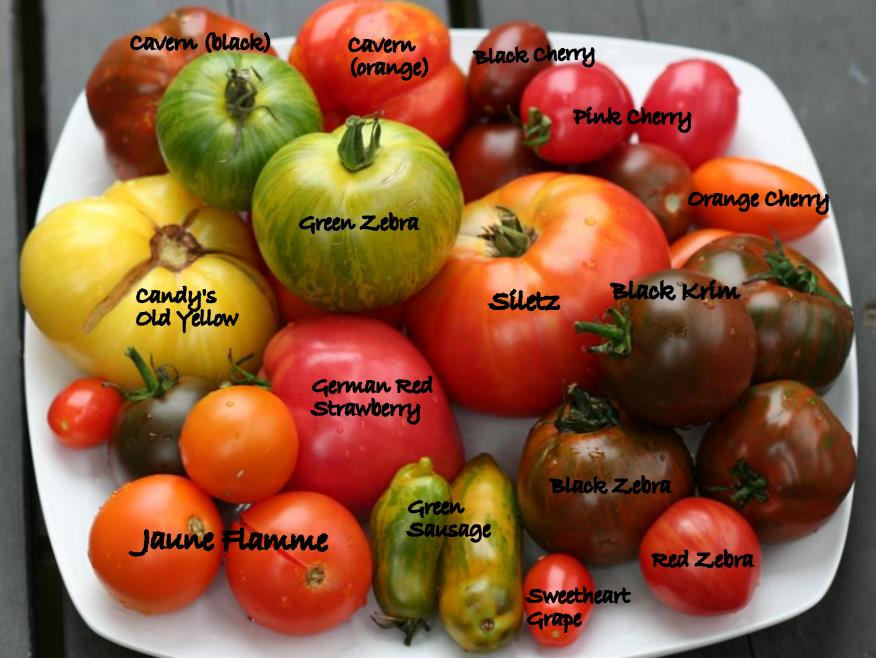
                Heirloom crops are definitely more flavorful and come in so many different shapes, sizes, and colors! Check out a picture of all these different types of tomatoes! Heirloom crops are often not sold in grocery stores so growing them in your own garden is a great way to experience the all unique flavors and stunning beauty heirlooms have to offer.

If you’re interested in learning more about heirloom seeds or purchasing some for your garden check out the links below. It’s fascinating to browse the seed catalogs and see all the different types of crops and read the unique cultivar names!


Thursday, May 3, 2018

Upcoming Garden Dates/ Alemany Farm Workshops

Upcoming Garden Dates:

May Garden Resource Day at the Ft. Scott Community Garden, Saturday May 12, 10am-1pm
-buckets of compost to borrow and add to your garden plot
-woodchips available, plus buckets to borrow to mulch your pathways
-seedlings available: Tuscan kale (15), chard (20), red mustard greens (5), lettuce (7), beans (6), broccoli (4), arugula (10), spinach (2)

June Garden Resource Day at the Ft. Scott Community Garden, Saturday, June 9 10am-1pm

Summer Solstice Pizza Potluck on June 21, 4-7pm RSVP here by June 17

Places to learn more!

Please join Friends of Alemany Farm for our Spring Workshop Series. Expert instructors will offer donation-based classes on topics ranging from food preservation to beekeeping, natural dyes to irrigation, with much in between. These sessions are great for both farm newcomers and regular volunteers. Deepen your knowledge, explore a new skill, or pick up some tips and ideas you can apply in your own garden or kitchen. All workshops will take place at Alemany Farm.


Here are some shots from around the Ft. Scott Garden this spring-

Thursday, April 19, 2018

May Garden Resource Day/ Our week at work/ Maximizing Growing Space


Hey all,

Dates:
The next Garden Resource Day at the Ft. Scott Community Garden will be on May 12, 10am-1pm. We'll continue to have seedlings to give away, so if yours were eaten, plan on some protection before you replant. 

And not related to the gardens, but good to know: the Presidio Spring Cleaning Day (for residents only) will be on May 19. 


This has been a bit of a stressful week. We had an education program all set for Monday morning which canceled because of the rain. Tuesday was the Spring Planting Cut-off and unfortunately quite a few folks didn't meet the deadline. It's never fun to be the enforcer but I try to be as fair as possible, keeping in mind that other neighbors are waiting for a turn to use a garden plot and that we want to promote well-maintained, attractive, and weed/pest free community spaces in the park. For everyone who did tend their gardens-we're *so* glad you're continuing to participate in the community garden program. Many of the plots looked really lovely :) Enjoy the harvests to come! And don't forget to start watering twice a week now that the rains have stopped.

Moving on this week we have 3 good sized volunteer groups coming out- Salesforce, Redaptive, and Earth Day in the next 3 days. Taylor and I have big plans for getting the Ft. Scott Garden all cleaned up and ready for a new season. Finally, tomorrow I have an additional intern starting- Emily will be joining us for six months and we're super excited! 

Here's Taylor's new post on: Maximizing Growing Space
Hello community gardeners of the Presidio! It’s that time of year where Jean and I are out checking gardens to make sure everyone is planting. A wonderful added bonus of visiting your gardens is seeing how creatively each of you use the space you’ve been given. I love observing the differences between garden beds and contemplating how everyone arranges their spaces in totally different ways. Your creativity has inspired me to do some of my own research and write this blog post on maximizing growing space in your raised bed gardens. 

1) Think of your garden in layers
Start with the tallest crop (artichokes, tomatoes, peas, fava beans) then think of mid-level/low-level crops that might create beneficial relationships with your tallest crop. For example, lettuces, chard, and rhubarb thrive under shady conditions. Perhaps placing a few chard and lettuce plants underneath your tall artichokes may help you to grow more food while also maximizing garden space! Remember to utilize your horizontal AND vertical space. Pole beans, tomatoes, peas, and squash can be trellised- leaving a whole lower level of garden space for you to plant shade-loving vegetables. Thinking of your garden in layers can help you to produce more food in a small amount of space. 

2) Succession planting
This one is pretty simple- don’t plant all of your veggies at the same time! Odds are they are going to grow at pretty much the same pace (especially if they are greens like lettuce, chard, and spinach) and you will find yourself with a whole lot of food that you don’t know what to do with! Staggering planting times can really help to keep you with a consistent and manageable amount of food. Do a little bit of planning and research and see how much time the plant that you are growing takes to mature. If you have a packet of radish seeds, don’t sow them all into your garden at once. Space out your plantings/sowings so that you always have radishes in your garden bed that are ready to harvest. 

3) Inter-planting/companion planting
I could probably write a whole blog post on this topic alone! Basically, there are certain vegetables that have been reported to grow well together. For example, planting basil next to tomatoes can improve the flavor and growth of the tomatoes because of the basil’s ability to repel certain pests that often plague tomato plants. Beans and peas are great for planting alongside most crops as they help to enrich soil by fixing nitrogen to their roots and pulling it to the top layer of soil. Beets are also great soil-enrichers and are great companions with lettuce, onions, and brassicas. However, it’s also important to remember that some plants do not make very good companions! For example, beans and beets have been observed to stunt one another’s growth when grow side by side. Do a little bit of research on companion plants before placing new plants into your bed and maybe you’ll be able to keep some pests away, or maybe you’ll plant crops that will help enrich your soil and your other veggies!

Hope you all are enjoying your gardens in these beautiful spring days, email me if you have any garden related questions- tjais@presidiotrust.gov
Taylor